MIGRAINE, EXPLAINED

Migraine attacks can become more likely when several factors add up. A good plan lowers avoidable strain and builds consistency across the day.

THINK OF A THRESHOLD

It is rarely just one trigger.

Poor sleep, missed meals, dehydration, stress, hormonal changes and other factors can accumulate. Some cannot be controlled. The goal is not perfect avoidance—it is to make the modifiable pieces more stable.

Stress & change

Sleep disruption

Skipped meals

Dehydration

MIGRAINE THRESHOLD

1

Regular sleep

A consistent schedule matters more than chasing a perfect number every night.

2

Meals and hydration

Avoid long fasting periods. Hydrate regularly and eat in a way you can sustain.

3

Movement

Build toward consistent aerobic activity while respecting your current capacity.

4

Trigger awareness

Use a diary to notice patterns. Broad, restrictive elimination diets are rarely the best starting point.

5

Acute treatment

Treat attacks as directed, and discuss frequent acute medication use with your clinician.

6

Preventive treatment

Daily strategies need time. Review benefit, tolerability and next steps with your healthcare professional.

FAQ

Your have questions? We have answers! Causes, Impacts and treatments for Migraines

Migraines are a neurological condition with multiple contributing factors, and there is no single cause for everyone. Genetics, brain and nervous system sensitivity, hormones, stress, sleep patterns, dehydration, skipped meals, certain foods, environmental changes and other factors can all contribute to migraine attacks. Identifying your individual triggers can be an important part of migraine prevention.

Stress is a common migraine trigger, although it is not necessarily the underlying cause of migraine. Changes in stress levels, emotional strain, anxiety, or even the period immediately following a stressful event may contribute to an attack. Managing stress through regular exercise, relaxation techniques, healthy sleep and other strategies may help reduce the impact of migraine.

Yes. Changes in sleep patterns can contribute to migraine attacks. Too little sleep, too much sleep, irregular sleep schedules and poor-quality sleep may all affect migraine frequency for some people. Maintaining a consistent sleep routine and getting adequate rest can be an important part of a migraine prevention plan.

Dehydration and missed meals are recognized migraine triggers for some people. Going too long without eating or not drinking enough fluids can make you more vulnerable to an attack, particularly when combined with other triggers. Staying hydrated and maintaining regular, balanced meals may help support consistent migraine management.

Hormonal fluctuations can influence migraine, particularly in women. Changes in estrogen around menstruation, ovulation, pregnancy or menopause may trigger or worsen migraine attacks in some individuals. Keeping a migraine diary and tracking menstrual cycles can help identify whether hormonal changes are associated with your attacks.

Certain foods and beverages may trigger migraines in some people, but triggers are highly individual. Commonly reported triggers can include alcohol, excessive caffeine, processed foods and other specific foods or ingredients. Rather than eliminating foods unnecessarily, keeping a migraine and food diary can help you identify patterns and discuss them with a healthcare professional.

Migraines can affect much more than your head. An attack may interfere with work, school, family responsibilities, social activities, exercise and everyday routines. Severe attacks can make it difficult to function normally and may require time spent resting in a dark or quiet environment.

Yes. Migraine symptoms can make it difficult to concentrate, communicate, work on a computer or complete normal job responsibilities. Frequent or severe migraine attacks may lead to missed workdays or reduced productivity, which can have a significant impact on professional and personal life.

Migraines can affect concentration and cognitive function, both during and around an attack. Some people experience difficulty focusing, mental fatigue, slowed thinking or trouble finding words. These symptoms can make work, studying and everyday tasks more challenging.

Yes. Nausea and vomiting are common symptoms associated with migraine attacks. People with migraine may also experience increased sensitivity to light, sound and smells, which can make nausea and other symptoms more difficult to tolerate.

Yes. Sensitivity to light and sound is a common feature of migraine. Bright lights, loud noises and strong smells may become particularly uncomfortable during an attack and can make it difficult to work, drive, socialize or participate in normal activities.

A migraine attack can last anywhere from several hours to several days. The experience varies between individuals and may include different phases, including prodrome, aura, headache and postdrome. Recognizing early symptoms may help some people begin their treatment plan sooner.

Migraines and sleep can influence each other. Poor sleep, irregular sleep schedules or changes in sleep may contribute to migraine attacks, while migraine symptoms can make it difficult to fall asleep or stay asleep. Establishing a consistent sleep routine can be an important part of managing migraine.

Yes. Migraine can be associated with changes in mood, including irritability, fatigue, anxiety or low mood. Some people may notice mood changes before, during or after an attack. Because migraine and mood symptoms can interact, discussing persistent or significant symptoms with a healthcare professional is important.

Frequent migraine attacks can make it difficult to maintain social plans, attend events or spend time with family and friends. The unpredictable nature of migraine may also cause people to cancel activities or avoid situations they believe could trigger an attack.

Physical activity may worsen symptoms during an active migraine attack for some people. At the same time, regular moderate exercise may be beneficial as part of an overall healthy lifestyle and migraine management plan. It is important to find an activity level that works for you and avoid pushing through severe symptoms.

Yes. Frequent migraine attacks can have a significant impact on quality of life by affecting work, relationships, sleep, physical activity and mental well-being. The goal of migraine prevention is not necessarily to eliminate every attack, but to reduce migraine frequency, severity and overall disability.

For some people, migraine can become more frequent or develop into chronic migraine. Frequent use of acute migraine medications can also contribute to medication-overuse headache in some circumstances. If your migraine attacks are becoming more frequent, severe or difficult to manage, speak with a healthcare professional about an appropriate prevention strategy.

Migraine treatment generally includes two approaches: acute treatment to manage an attack that has already started and preventive treatment designed to reduce the frequency or severity of future attacks. Treatment may include prescription or over-the-counter medications, lifestyle strategies, behavioral approaches and, for some people, nutritional supplements. A healthcare professional can help determine which options are appropriate for you.

While there is currently no guaranteed way to prevent every migraine attack, preventive strategies can help reduce the frequency, severity and impact of migraines. These strategies may include identifying personal triggers, maintaining consistent sleep and meal schedules, staying hydrated, managing stress, exercising regularly and using appropriate preventive treatments.

Certain vitamins, minerals and other nutritional supplements have been studied for migraine prevention. Research suggests that nutrients such as magnesium, riboflavin (vitamin B2) and coenzyme Q10 may provide benefits for some people, although the strength of evidence varies and more research is needed. Supplements should be considered as part of an overall migraine management plan rather than a guaranteed treatment or cure.

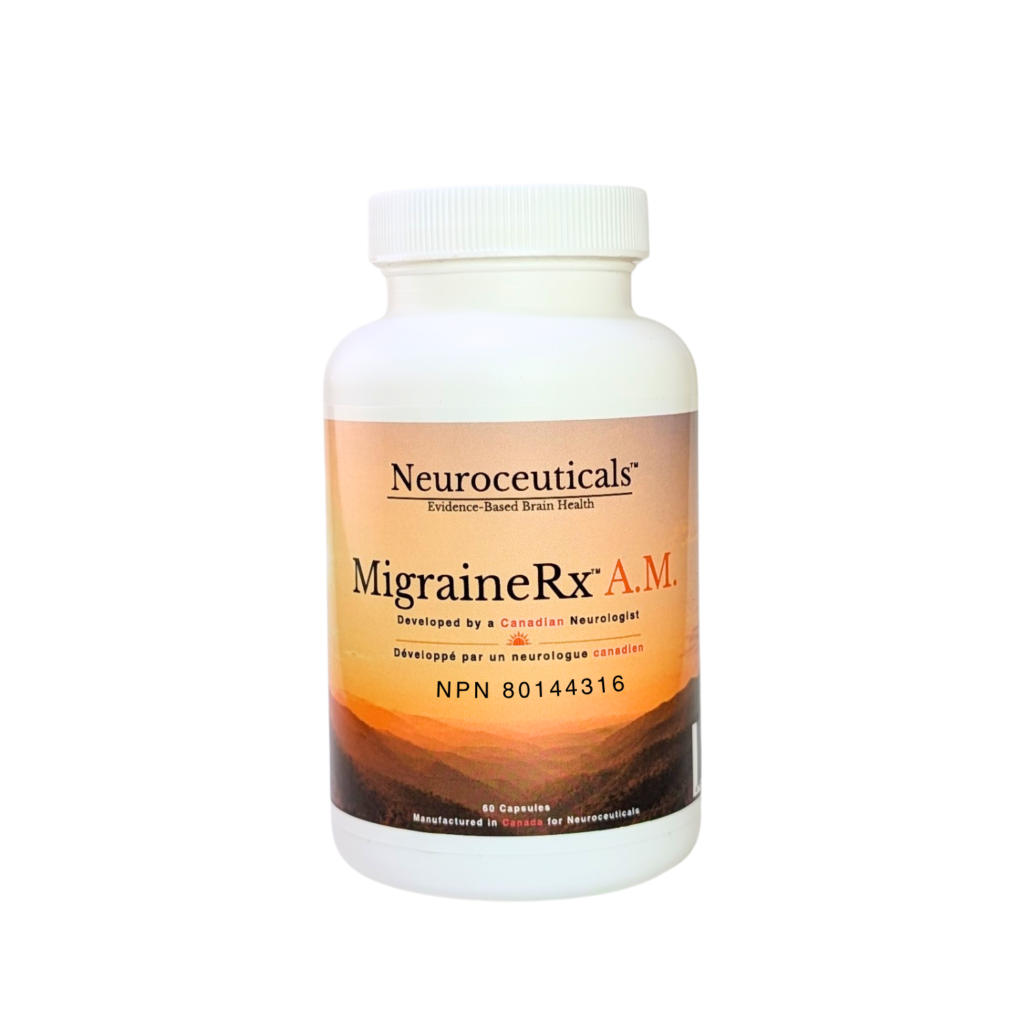
MigraineRX AM & PM, developed by Neuroceuticals, is a nutritional supplement program designed to provide targeted daily nutritional support for people looking to proactively manage their migraine prevention routine. The AM and PM formulas are designed to fit into a morning and evening wellness routine, supporting nutritional needs associated with overall neurological health.

MigraineRX AM & PM can be incorporated into a broader daily migraine prevention routine that may also include consistent sleep, hydration, regular meals, exercise, stress management and trigger awareness. Preventive supplements are not intended to replace prescribed migraine medication or medical care. If you take medications or have an underlying health condition, speak with your healthcare professional before starting a new supplement.

A migraine supplement should not automatically be viewed as a replacement for prescribed medication. Migraine treatment is highly individual, and some people benefit from a combination of preventive strategies, acute treatments and lifestyle changes. Discuss MigraineRX AM & PM or any other dietary supplement with your healthcare professional to determine whether it is appropriate for your individual needs.